
- 21 Nov 2026
How to choose a writing board that works for your space
A writing board is easy to judge in a photograph. It is harder to judge when someone is standing six feet away, trying to read yesterday's notes under ceiling lights. Before you order, decide who will use it, how often they will write, and whether the board needs to hold anything besides ideas. Then check these seven buying decisions.
1. Choose the writing surface first
Melamine can suit light use and a tight budget. Painted steel, porcelain-on-steel and glass serve different needs; porcelain and glass generally appeal to buyers expecting frequent writing and cleaning. Glass has a smooth, nonporous surface that resists staining and ghosting, though you still need the right markers and a sensible cleaning routine. A magnetic glass board also needs a magnetic backing and suitably strong magnets; glass itself is not magnetic.Each material has its own advantages and disadvantages, and the choice of material should be based on actual requirements.
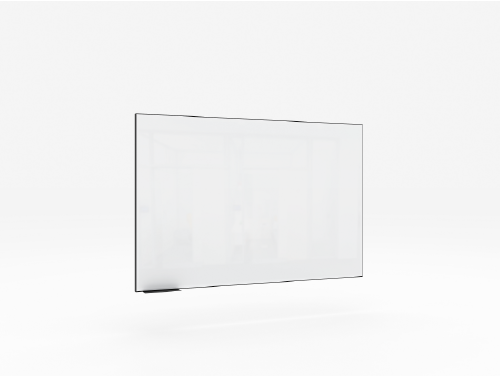
Glass specifications are not all interchangeable. Low-iron glass is a type of float glass with less of the green cast visible in standard clear glass. It makes sense when a clean white background or carefully chosen color matters. Tempering addresses safety and strength; it is a separate choice from iron content. Keyword's describes low-iron tempered glass, an aluminum frame and a magnetic writing surface. For a closer comparison, read our surface-material guide.
2. Decide what the board must do besides writing
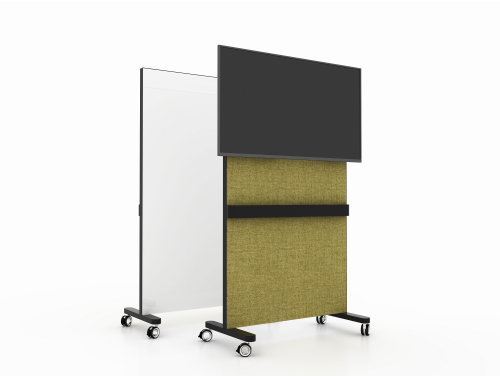
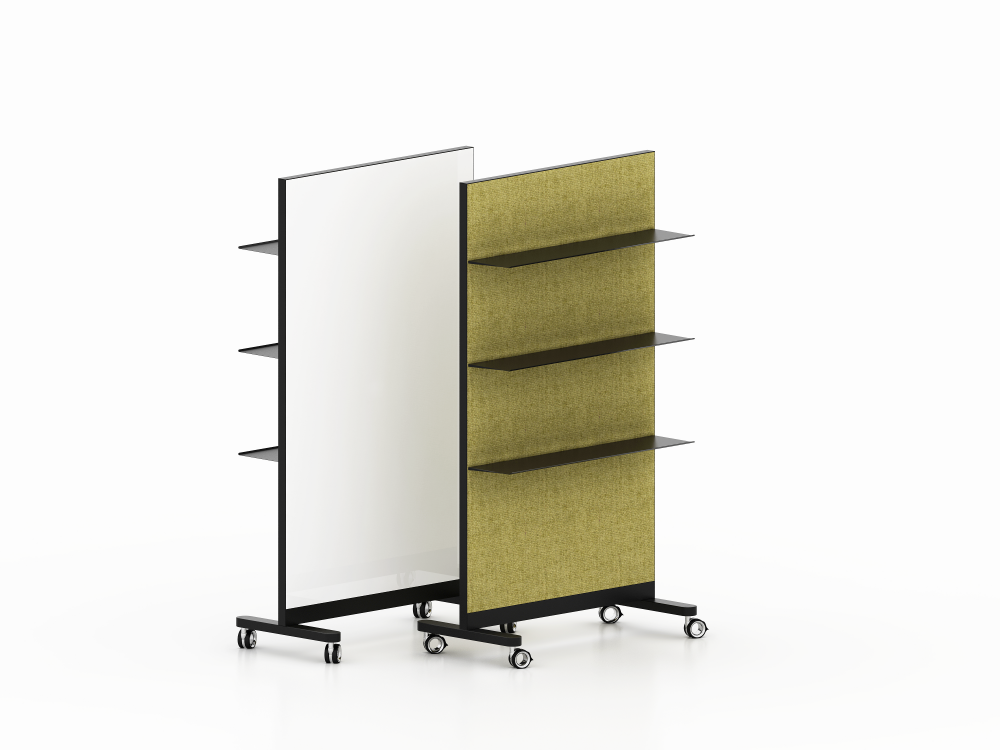
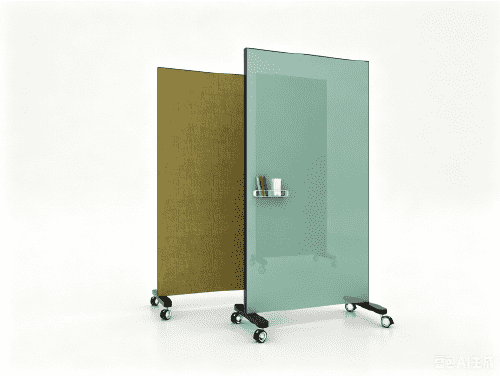
The functions required in today’s office environment go beyond those of a writing desk, people may need somewhere to pin a schedule, display a draft or soften the visual feel of a shared space. A meeting room may need both writing space and a spot for printed agendas. Keyword's Glass writingboards pairs glass with a pinnable PET acoustic panel; places a glass writing area between two PET pinboards; adds two shelves for display and storage.
And also color and adjoining materials belong in this decision. A restrained, low-saturation Morandi-inspired palette can sit comfortably with many office finishes. Our guide to multifunctional writing boards helps match those combinations to the room.
3. Compare useful life, not just purchase price
Need to know which surface takes the daily erasing, which parts can be cleaned or replaced, and what the warranty actually covers.The materials we have chosen consider durability and convenience capabilities. Glass is worth considering for frequent use because its nonporous surface is easy to wipe. Aluminum framing avoids the rust concerns of exposed ordinary steel, but glass is still heavy and every assembled board needs sound mounting and careful handling. Do not equate a general material advantage with a promised service life. See glass board durability and maintenance for the parts of the board most likely to affect ownership costs.
4. Inspect the packaging plan
The packaging needs to be checked in advance regarding the delivery channels and the receiving arrangements. Ask what protects the glass corners, separates the face from the frame, secures loose hardware and lets the receiving team inspect for damage. Keyword describes its packaging approach as an integrated, flat-profile pack; confirm the packed dimensions and handling instructions for your order. Flat-profile packaging does not mean the carton should be transported horizontally. Our packaging and delivery checklist covers the questions to ask before dispatch.
5. Match the room to the board and size
A conference room needs writing that people at the back can read. An open-plan office may need a combined display and pinboard. An executive office may favor a fixed board with a quiet color and tidy storage. Start with usable wall width, then check door swings, outlets, sightlines, mounting substrate and the height comfortable for the people who will write on it. Mark the proposed outline on the wall before choosing a size.Compare room layouts in Conference Room Whiteboard.
Keyword lists several sizes for WF1, a single listed size for WF2 and WF3, and a wide-format WF4. Treat the listed dimensions as starting points, not proof that every configuration fits your wall.
6. Check installation and safety before ordering
Confirm whether the supplied hardware is suitable for drywall, masonry or another wall type, and whether the wall structure can take the board's weight. Large glass boards may require more than one installer. Ask whether the board can be mounted portrait or landscape, whether the supplied installation diagram matches your chosen SKU, and how exposed edges are protected. Read the installation and safety checklist before you finalize the order.
7. Plan a realistic cleaning routine
Ask which markers give enough contrast against your glass color, and keep suitable cloths and a manufacturer-approved cleaner near the board. Clean the glass and any PET or fabric area according to their different care instructions. Don't use an abrasive scrubber on either surface. Our cleaning guide covers routine marks and common mistakes.
A short checklist for your request for quote
Send your supplier the room photo, wall dimensions and wall type; note how often the board will be used, whether you need magnetic display, pinning or shelves, the preferred color sample, delivery access and desired installation date. Ask for a drawing showing usable writing area, overall dimensions, packed dimensions, included hardware and care instructions. That will answer more than a product photograph can.
Ready to compare configurations? Browse the WritingBoards range, then request a quotation with your wall dimensions and preferred WF model. Ask for current finish samples and the packaging drawing before approving production.